Hungarian · b. 1943
Tamás Szikora
Tamás Szikora
1943-2012, Nyíregyháza, Hungary
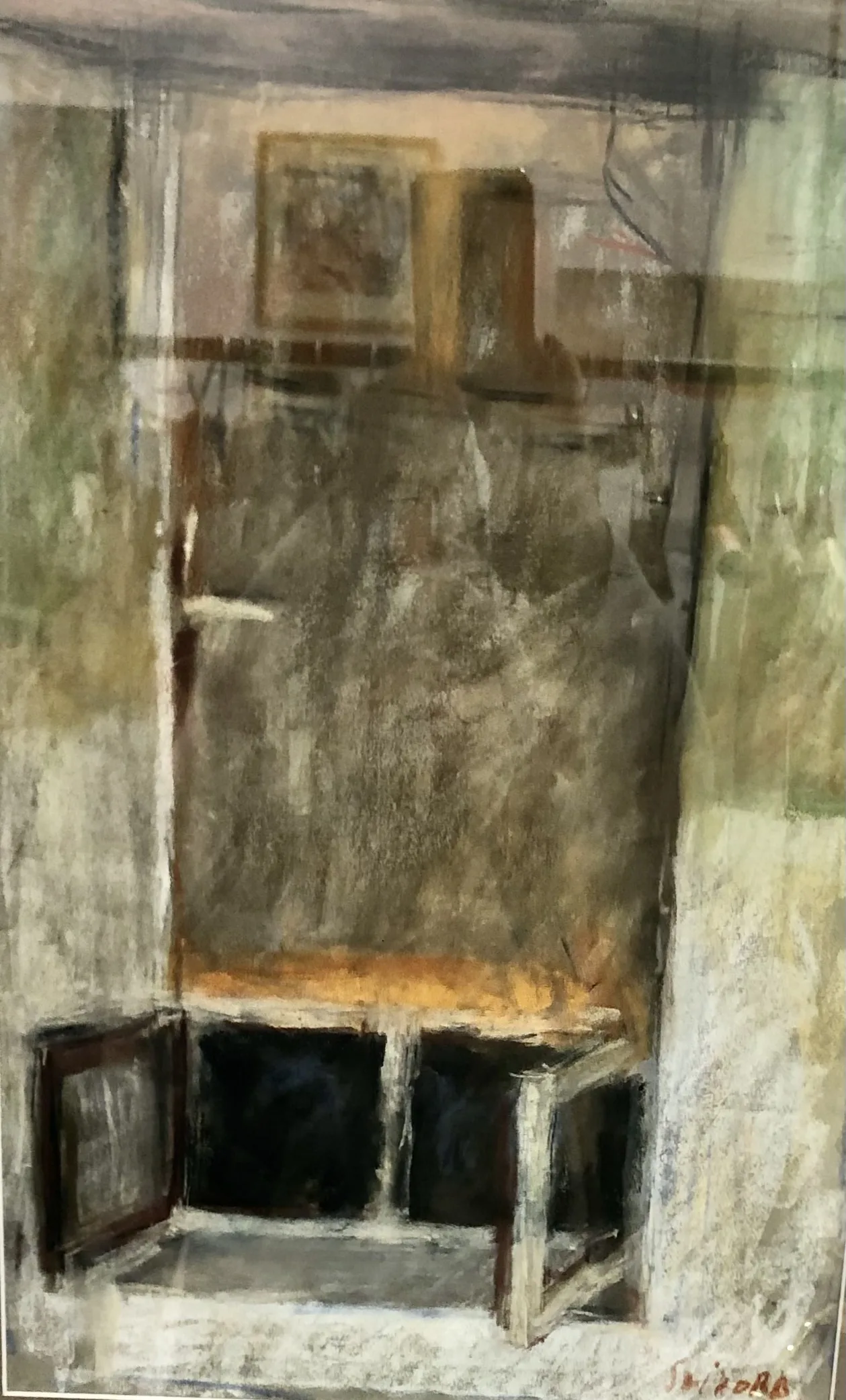
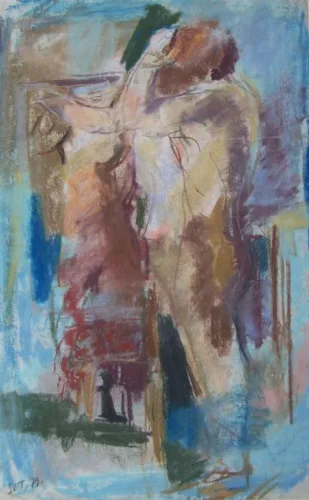
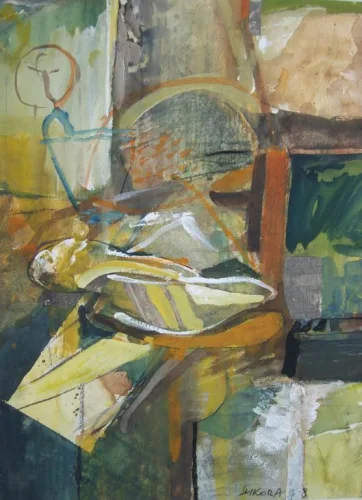
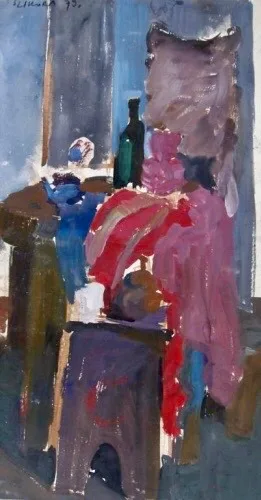
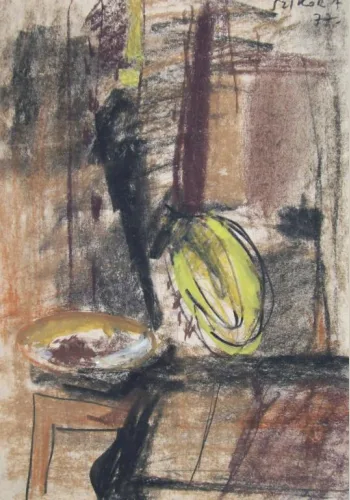
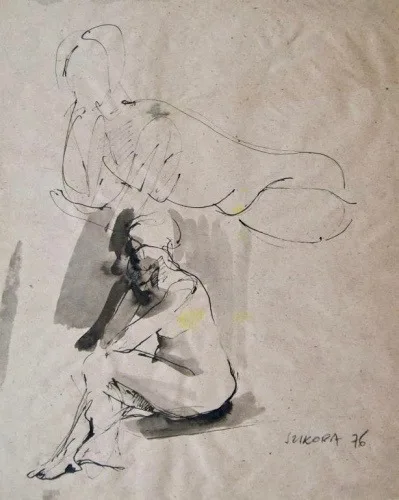
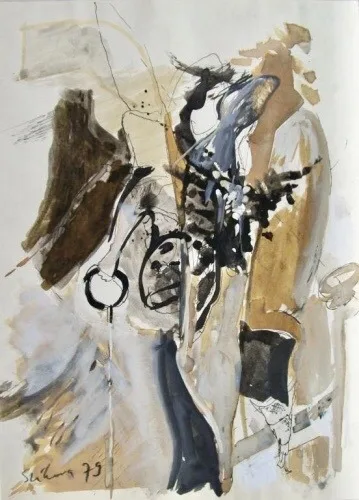
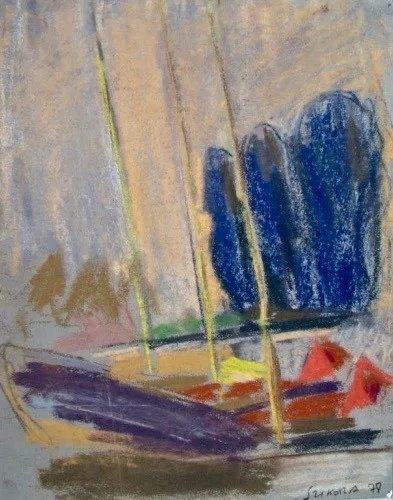
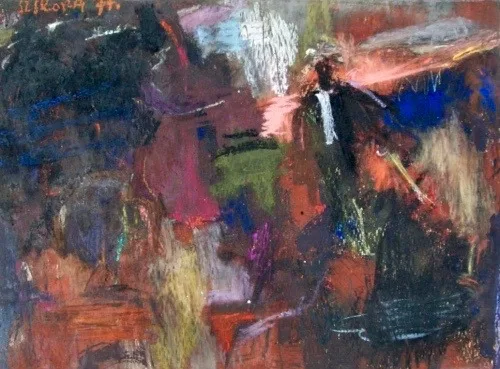
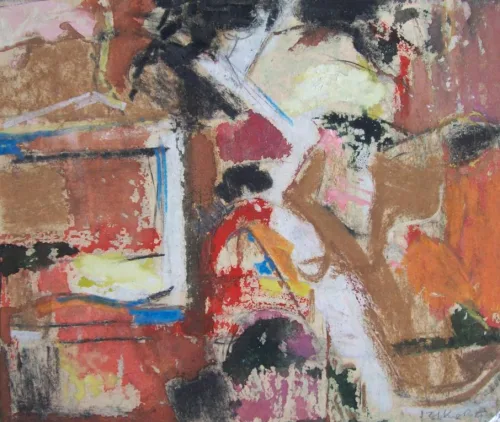
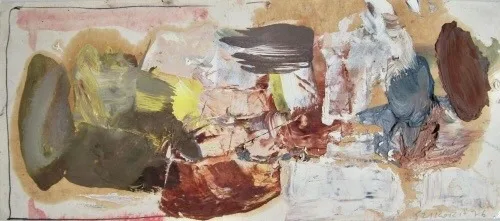
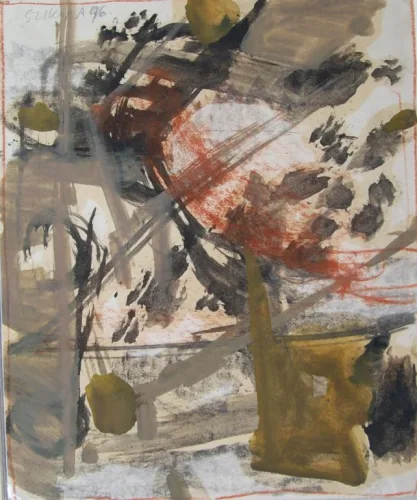
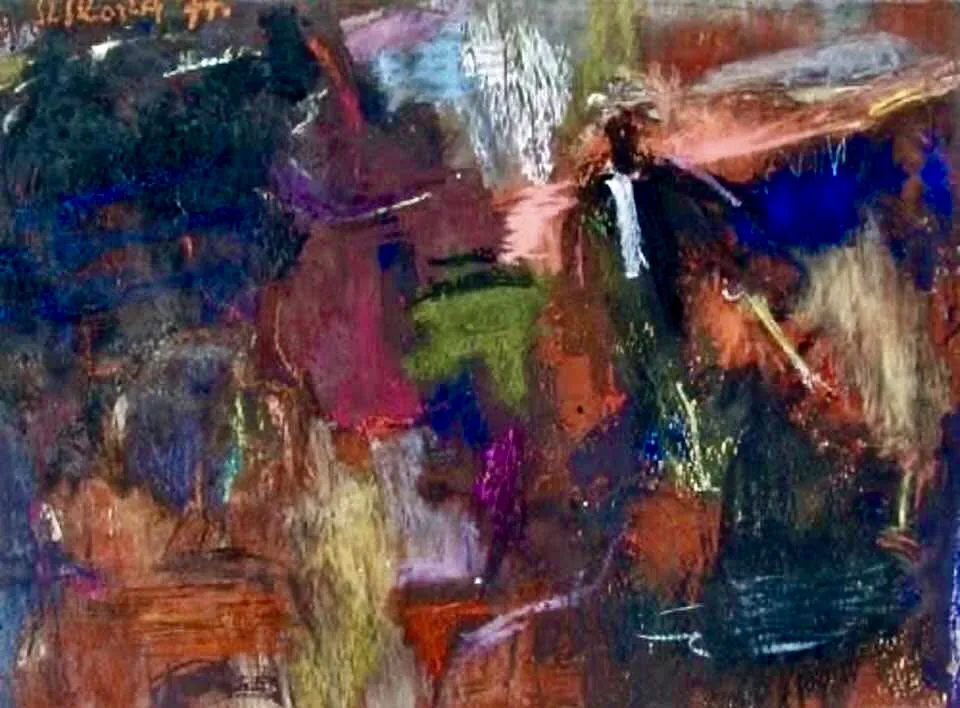
Tamás Szikora was born in Nyíregyháza in 1943. In 1968, he graduated from the Faculty of Melting Engineering of the Kalinin University of Technology in Leningrad. In 1970-76, as a student at the College of Fine Arts, he was a student of Géza Fónyi, Sándor Veres and Simon Sarkantyú, and between 1977-1980 he received a Derkovits scholarship. Between 1982-1991 he was an associate professor at the Esztergom Teacher Training College, and between 1985-1986 he was an invited teacher at the College of Applied Arts. From 1990 he was a member of the Szentendre Old Art Colony, in 1992-93 he spent a year and a half at the Cité des Arts in Paris with the support of the Pollock-Krasner Foundation, and from 1992 he worked for two months. one year in Paris, at the Cité des Arts. His early works belong to Lyrical Expressionism and were primarily influenced by Antoni Clavé. From 1982, he developed his individual image. He made pencil drawings, on which his experiments in creating illusionistic space appeared for the first time. His new graphics were made by gluing several layers together and tearing the surface of the paper. In 1994, he found the main motif of his art, the box. Installations made of wood and styrofoam. The motif of worn, broken, old drawers appeared in his drawings. After the box objects, the theme also appeared in oil paintings.
In his works, Szikora combines the geometric spatial experiments of his predecessors with the subjective perspective of the “found object”. His color scheme was initially extremely sombre, built from tonal variations of blacks and browns, and he often painted the natural grain and wear of wood. The box compositions, although the symbolic idea is not alien to them, are primarily based on versions of the illusionistic display and the regular appearance space. From 1991, he continued to complicate the complex game of space and plane with different image forms and unique frames. His colors brightened, yellow and white also appeared, but the natural color of the wood remained dominant in the large compositions. His large-scale, multi-part works connected to medieval and baroque altars and icon walls were born from the combined use of plastic box shapes placed on a wooden base and illusionist spatial painting. After the works that continued the legacy of constructivist painted reliefs, from 1992 painting played a greater role. It leaves a lot of air space between the geometric motifs. The way of painting that suggests transience breaks the solidity of geometric forms. Since 1998, the curvature of the square has formed the shape of the starting box. Szikora’s “found objects” were sometimes accompanied by old writings, photographs, and book spines.Awards1977-1980 – Derkovits scholarship1992 – Painting Grand Prix, Salgótarján; International Watercolor Biennale: jury prize, Eger; VI. Drawing Biennale: main prize, Salgótarján; International Pastel Biennale: City of St. Quentin II. fee1994 – Mihály Munkácsy Award1997 – Outstanding Scholarship of the Pollock-Krasner Foundation1999 – Scholarship of the Hungarian Academy in Rome2006 – Pro Cultura Urbis award; Klára Herczeg Award2010 – Worthy artist Individual exhibitions (selection)1978 – András Jósa Museum, Nyíregyháza1980 – Studio Gallery, Budapest; János Tornyai Museum, Hódmezővásárhely1984 – Association of Hungarian Architects (with Tibor Nádler), Budapest; Óbuda Cellar Gallery, Budapest1988 – Kultur im Springerschlössel, Vienna1989 – Qualitas Gallery, Hotel Atrium Hyatt, Budapest1992 – Art Colony Gallery, Szentendre; Reife 22 Galerie, Stuttgart; Espace 31, Issy les Moulineaux, Paris; Kunstmesse, Cologne1993 – Hungarian Institute, Paris; Szent István King Museum, Székesfehérvár; French Institute, Budapest; Dovin Gallery, Budapest1994 – House of Arts, Pécs1995 – Galerie Boycott, Brussels1996 – Várfok Gallery, Budapest; Budapest Galéria Lajos Street exhibition house, Budapest1997 – EveArt Gallery, Budapest1999 – Hungarian Institute, Paris; Szinyei Salon, Budapest 2000 – Illárium Gallery (with Zoltán Tölg-Molnár and Zoltán Hermann), Budapest2001 – Objects, Contemporary Art Museum – Ludwig Museum, Budapest; Szent István King Museum, Székesfehérvár; Hungarian Cultural Institute, Stuttgart; Godot Gallery, Budapest; Cité Internationale des Arts, Paris 2002 – City Gallery, Nyíregyháza; Hungarian Institute, Stuttgart, Germany2003 – Szikora 60, Godot Gallery, Budapest2005 – Boxes, Aulich Art Gallery, Budapest2006 – Studio Gallery, Budapest; Plug, Contemporary Art Fair, Budapest (Godot Gallery stand)2007 – House of Translators, Balatonfüred2008 – Art 9 Gallery, Budapest 2009 – Retrospective exhibition, Zichy Castle, Zsámbék2009 – Osztott tér, VILTIN Gallery, Budapest2010 – Graphics and collage, Arte Gallery and Auction Office, Budapest2011 – Tamás Szikora’s exhibition, Művésztelep Gallery (Ferenczy Museum), Szentendre2013 – Built Shadow – Tamás SZIKORA, G. VILTINHis works are preserved in public collectionsHungarian National Gallery, Budapest Contemporary Art Museum – Ludwig Museum, Budapest Ministry of Culture, Budapest Petőfi Literary Museum, Budapest Szent István King Museum, Székesfehérvár Deák Collection, Székesfehérvár Modern Hungarian Gallery, Pécs Ferenczy Museum, Szentendre András Jósa Museum, Nyíregyháza Déri Museum, Debrecen Paks Gallery, Paks Hungarian Trade Bank, Budapest OTP Bank, Budapest AB-Aegon Insurance, Budapest Hungarian Academy of Rome, Rome Cité Internationale des Arts Archives, Paris His public works Vásárosnamény Cultural Center, 1977. Esztergom Teacher Training College, 1980. Budapest VI. council room of the District Mayor’s Office, 1984. Fischer Collection, Reinlingen, 1997. Korona Hotel, Nyíregyháza, 1997.His works are in important private collectionsFischer Collection László Vass Collection Merics Collection Herway Gay Collection Dovin Gallery Tárnok Collection Nádasdi Collection Gábor Kozák Collection Godot Gallery Békefi Collection Péter Sinkovits Collection Antal – Lusztig Collection György Bélai Collection Márkus István Collection
Kattintások
Works